記録 / Record

This history is assembled from dates, family notes, and direct handover between generations. Some details are missing, but the working standards stayed consistent: early prep, careful timing, and disciplined service at the counter.

1880s Kanazawa

1880s

Kanazawa

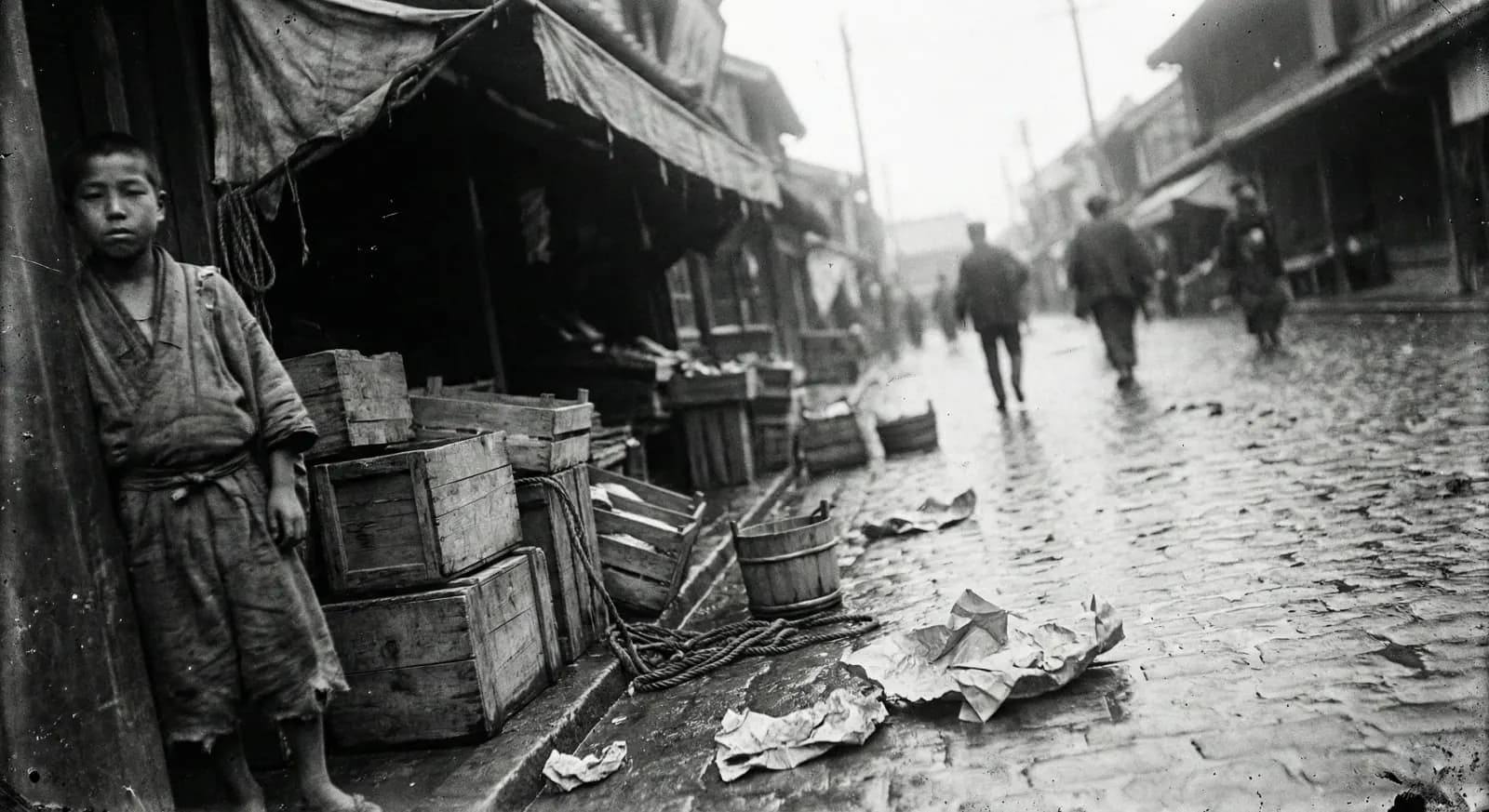
Renji Sakamoto grew up above the Sakamoto family fish shop in Kanazawa. He carried ice, cleaned crates, and observed how customers judged quality at the counter. Before formal fish training, he learned customer reading and core prep discipline that later shaped his knife work and service.
early 1900s Tokyo Apprenticeship

early 1900s

Tokyo Apprenticeship

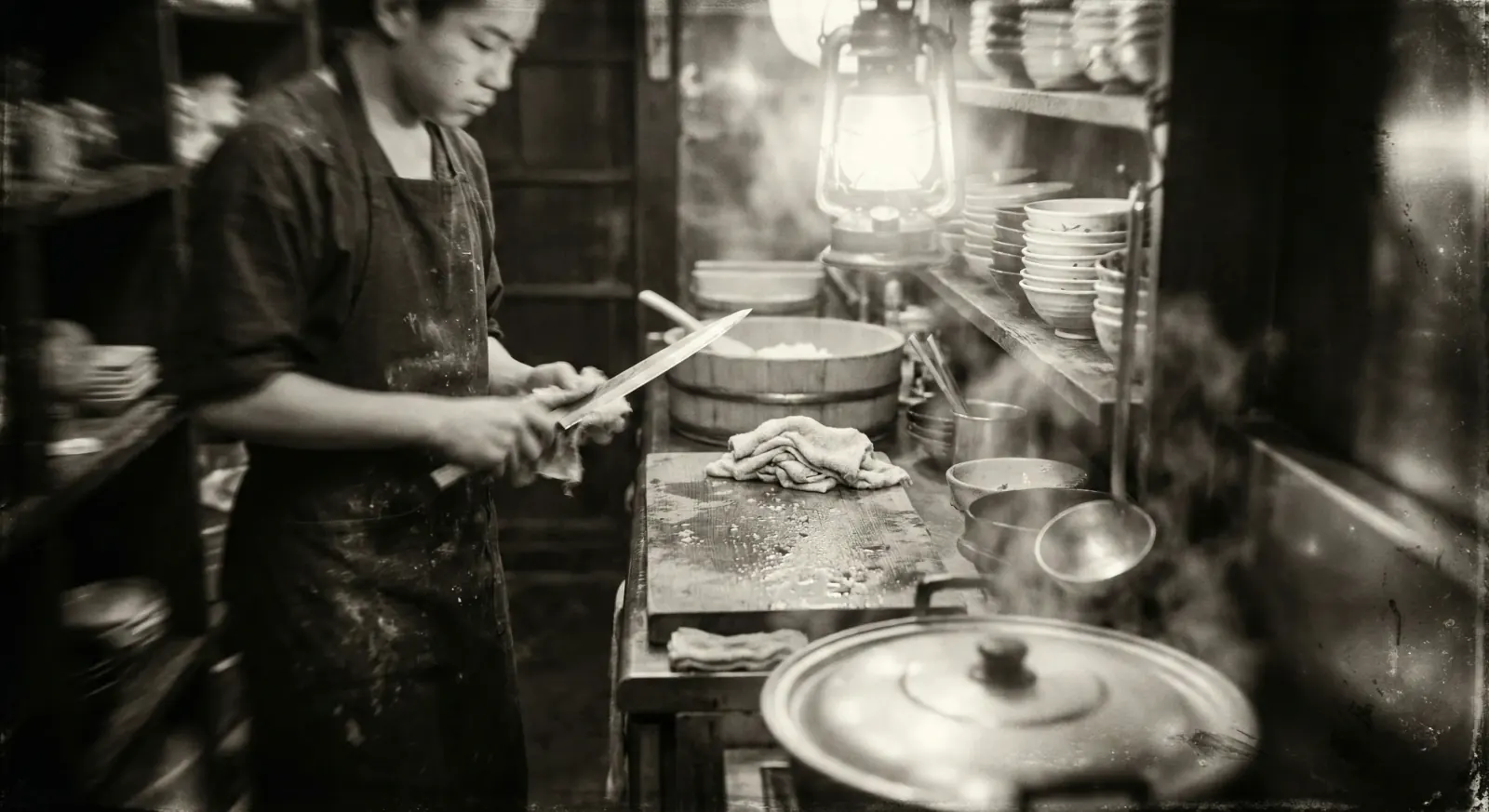
As a teenager, Renji was sent to Tokyo with one introduction letter and basic belongings. He slept behind a small kitchen and repeated foundation work each day: board maintenance, rice control, and vinegar balance by season. When senior chefs finally assigned him fish, he kept a method-first approach and avoided performance.

1920s Six Seats

1920s

Six Seats

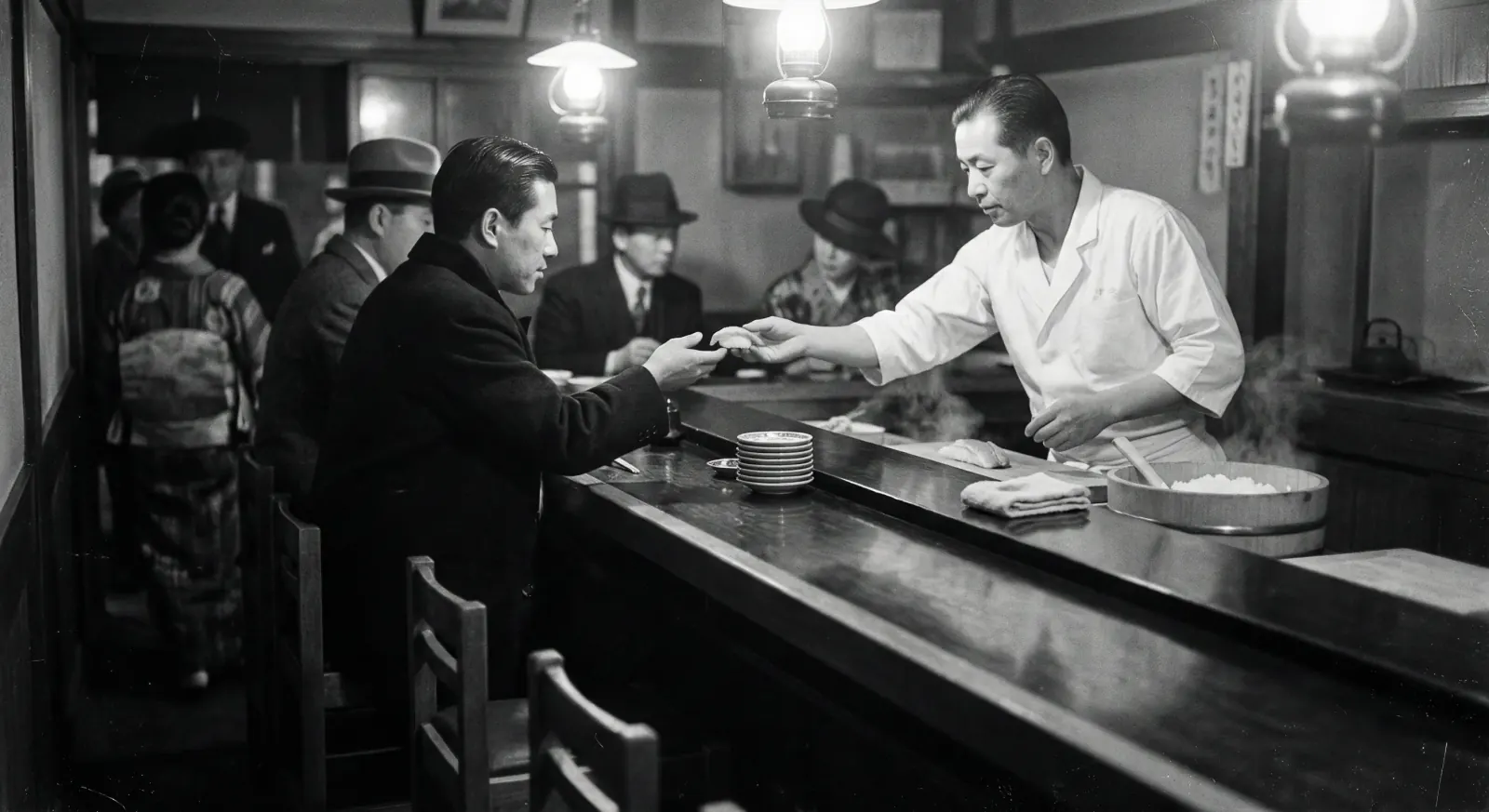
In the 1920s, Renji opened a six-seat counter near a tram stop. Guests turned sideways to enter, and service pacing was adjusted quietly by table and by guest. Most records from that shop were later lost, but the same order of work continued through the family.

1940s After The War

1940s

After The War

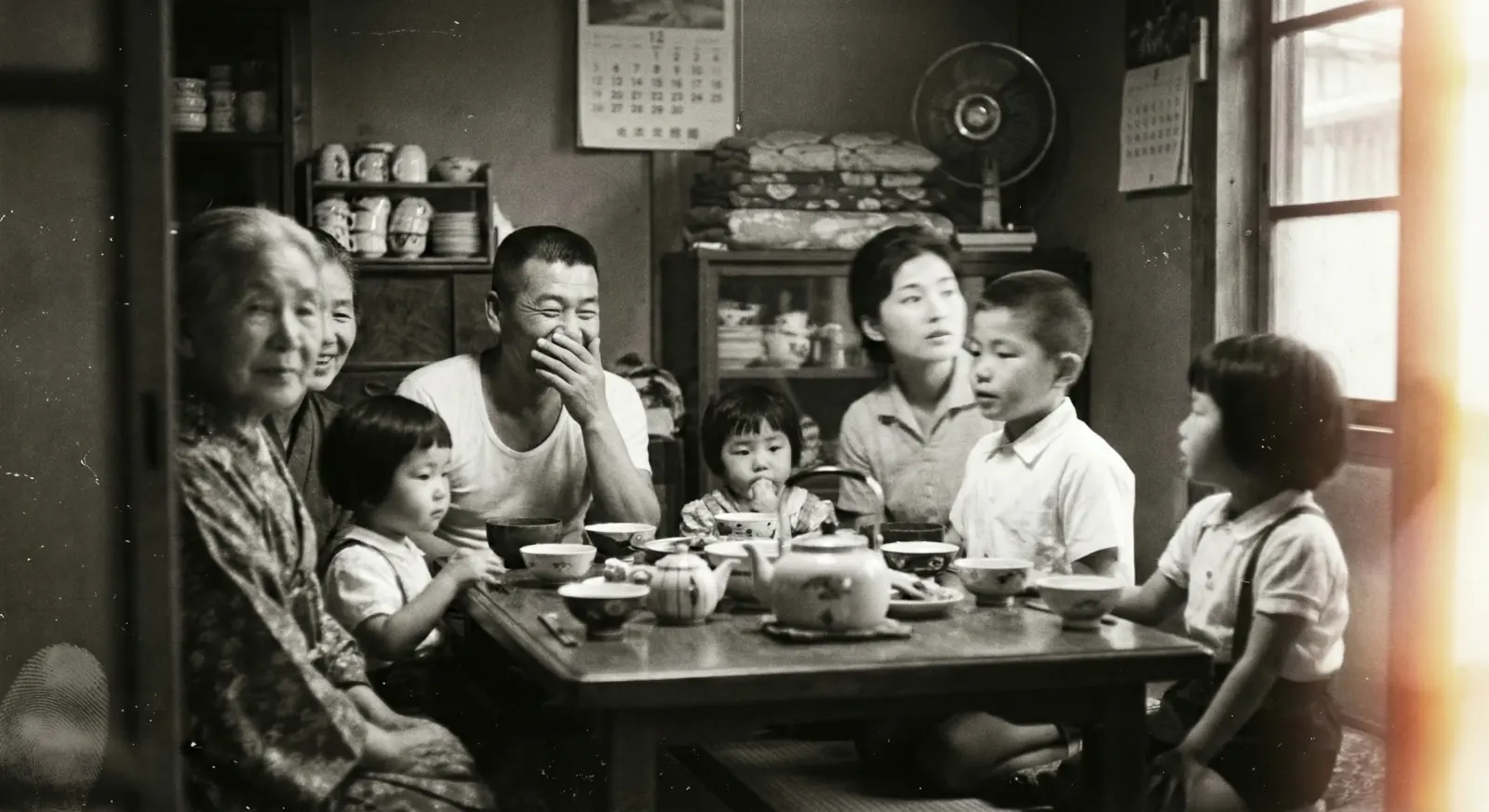
After the war, the shop was rebuilt with salvaged cedar and reused glass. Family records from this period show practical recovery: repaired fixtures, restored storage, and long prep shifts run by relatives. Recovery took time, but standards for rice, cuts, and timing were kept in place.

late 1970s Departure

late 1970s

Departure

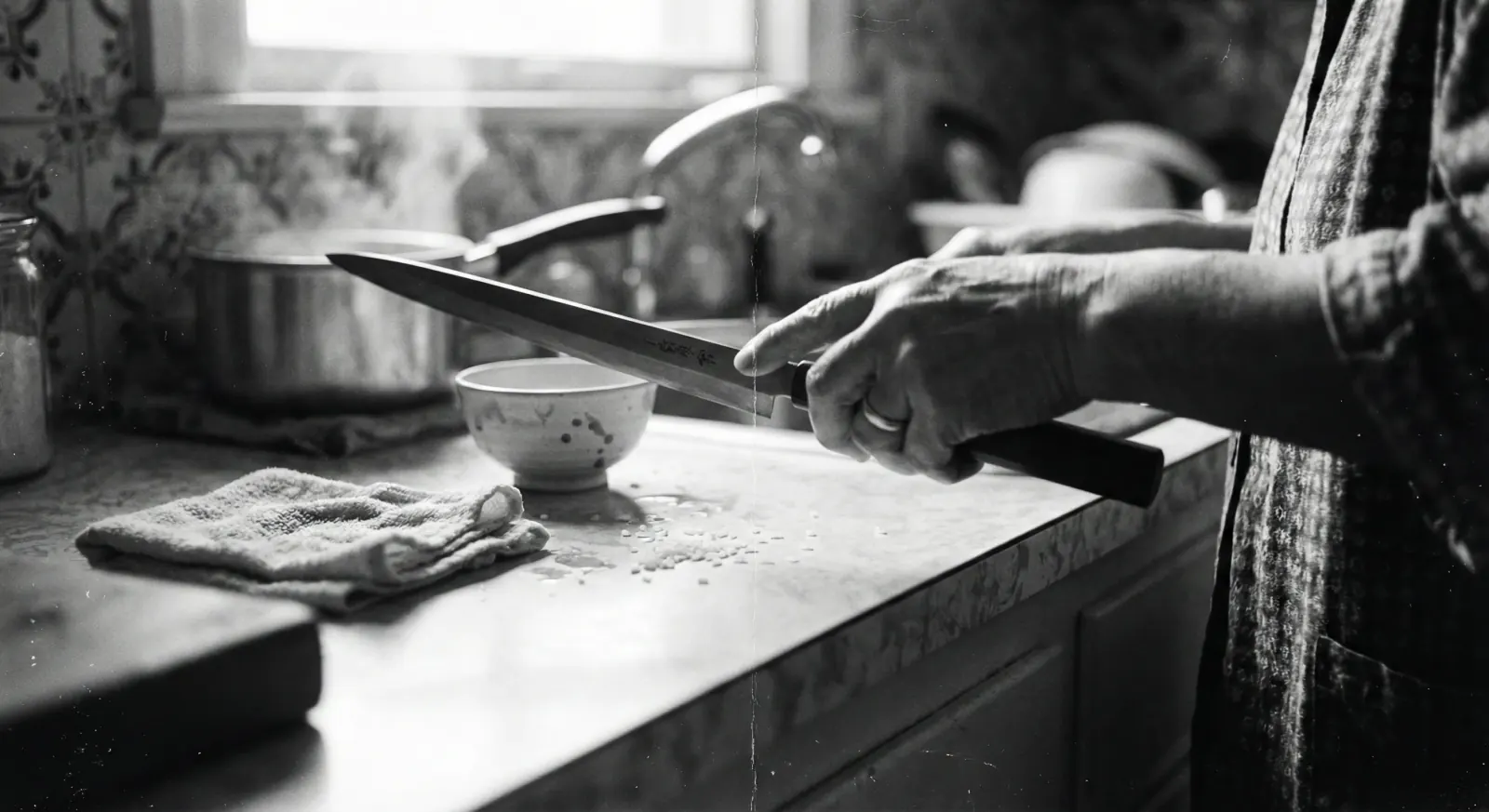
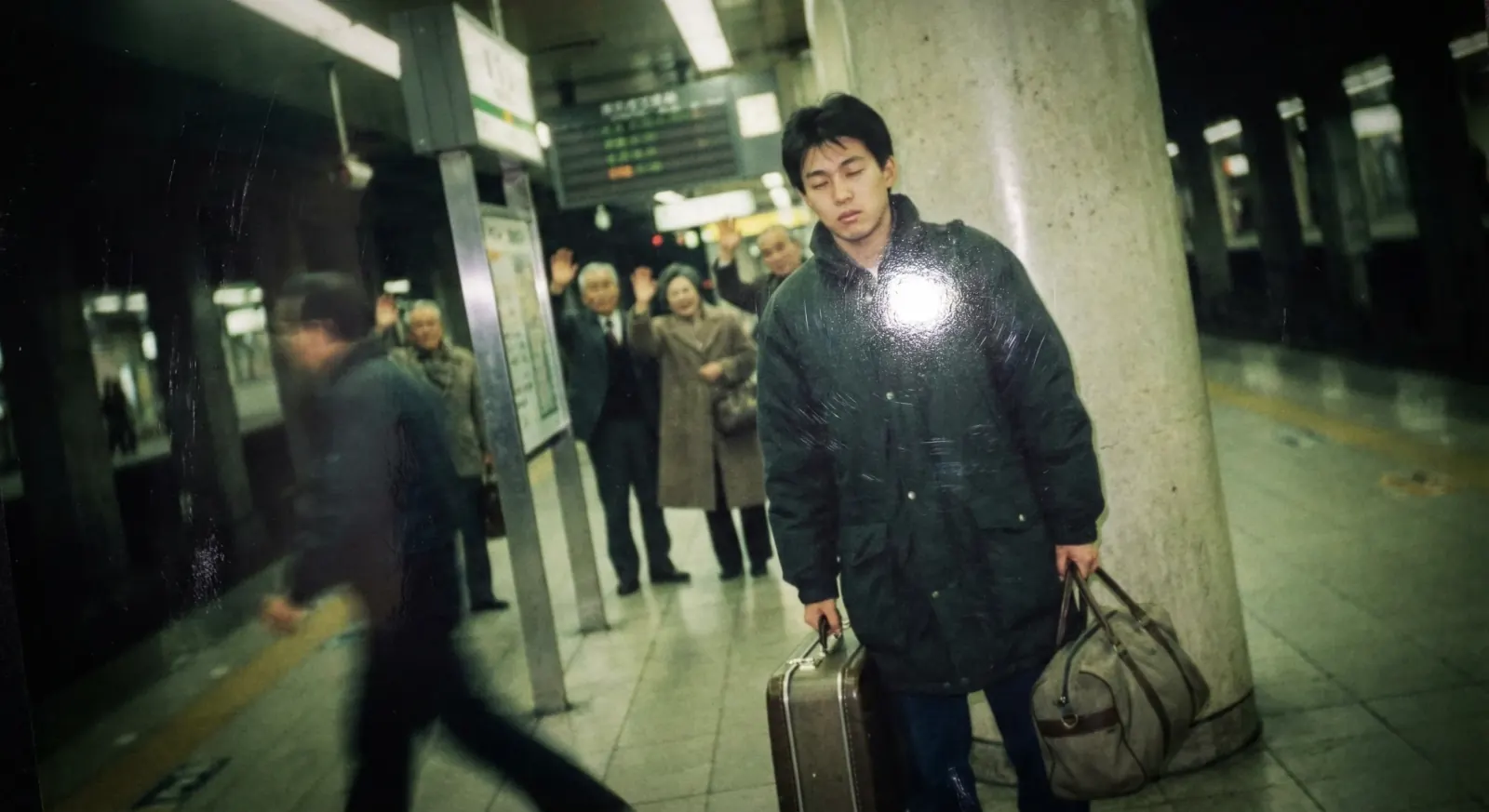
In the late 1970s, Renji’s grandson left Japan with a knife roll and a working notebook. He did not inherit the original shop, but he carried its standards forward: sharpen first, season last, and do not rush the guest in front of you. Through temporary kitchens and borrowed counters, the method was preserved through repetition.

2017 / 2019 Toronto

2017 / 2019

Toronto

In 2017, Sakamoto family notes resurfaced in private, phone-only dinners in Toronto, with seats filled mainly by referrals. In 2019, Kuro Hana opened publicly and kept the same service structure: limited seats, fixed pacing, and careful handwork. The location changed, but the discipline stayed the same.